
13728818899


13728818899
1. The certification certificate has high gold content and is synchronized with international certification: enterprises that have obtained CQC product certification have technical requirements synchronized with international equivalent product certification, greatly improving the gold content of product certification certificates;
2. Synchronization between certification certificate and domestic mandatory product certification: When relevant CQC certified products specified by the country are included in CCC mandatory certification products, there is no need to retest and certify on the premise of ensuring product consistency. With CQC certificate, 3C certificate can be directly converted;
3. Establishing a brand and enhancing market competitiveness: Obtaining CQC product certification means that the product's safety is guaranteed by the brand. In the current situation of uneven quality of production enterprises, it is conducive to improving the brand awareness and competitiveness of certified products, obtaining a green pass to enter the market, increasing market share, and helping enterprises achieve the unity of economic and social benefits;
4. Reducing product costs: CQC product certification has been widely recognized and accepted by relevant departments and institutions in various fields. After obtaining logo certification, enterprises can greatly reduce repeated testing and certification, lower production and operation costs, and also reduce the product risks that enterprises need to bear.
1. Electronic products and components
2. Household appliance accessories
3. Electrical accessories
4. Lighting electrical accessories
5. Electric tools and accessories
6. Small and medium-sized motors and accessories
7. Household appliances
8. Commercial Machinery
9. Lighting appliances
10. Wires and Wires
11. Low voltage electrical appliances
12. Automotive components
13. Motorcycle parts
14. Tire category
15. Glass category
16. Power system relay protection and automation devices
17. Electric energy meter
18. Low voltage complete equipment and accessories
19. High voltage equipment and electrical appliances
20. Photovoltaic (PV) and power storage products
21. Motor vehicle products
22. Experimental measurement and control instruments and equipment
23. Earthmoving machinery and its components
24. Connection device for conductive charging of electric vehicles
25. Wind energy products
26. Home photovoltaic and solar thermal products
27. Health Products
28. Implementation Rules for Safety Certification of Food Contact Products
29. Bicycle components
30. Unmanned aerial vehicles
31. Explosion proof electrical products
32. Textiles
33. Construction products
34. Sanitary ware
35. Cement products
36. Toys
37. Mechanical products
38. Electronic Tendering and Bidding System
39. Lightning protection products
40. Audio and video products (performance)
41. Electric vehicle charging facilities (Charging Alliance logo)
42. Bearing products
43. ROHS certification for restricting the use of toxic and harmful substances
44. Certification of Performance Marks for Non Metallic Materials and Components
45. Student supplies
46. Restrictions on the use of polycyclic aromatic hydrocarbons (PAHs) certification
47. Battery and Battery
48. Beidou Internet of Vehicles
Application process:
1. Application acceptance
2. Data review
3. Sample reception for sending samples
4. Sample testing
5. Factory review
6. Qualification assessment
7. Certificate approval
8. Printing, receiving, sending, and managing certificates
Application materials:
1. Product manual;
2. Product specification sheet;
3. Product maintenance manual;
4. Product circuit diagram (including schematic diagram and printed circuit board diagram);
5. Explanation of the differences between the main model products and the covered model products in the unified application unit;
6. List of key components related to product and safety, and list of main components that affect electromagnetic compatibility performance;
7. Copy of certification certificate for critical safety components of the product;
8. CB test certificate and report of the product (if any);
9. Authorization letter for trademark use of the product (if any).
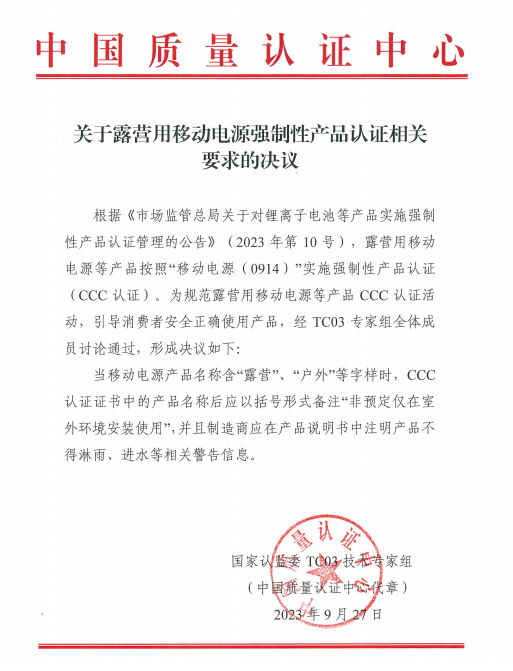
CQC certification is a voluntary certification in China, while CCC certification is a mandatory national certification. There is no intersection between the product scope controlled by CCC certification and CQC certification, meaning that products that require CCC certification cannot be certified by CQC, and vice versa. Many products that are not included in the CCC certification catalog can undergo CQC certification.
.png)

Address: Room 403, 4th Floor, Qianhai Zhichuang Technology Industrial Park, No. 60 Nanchang Road, Nanchang Community, Xixiang Street, Bao'an District, Shenzhen
Phone: 0755-82828582
Mobile phone: 13728818899
Email: ata@certata.com